
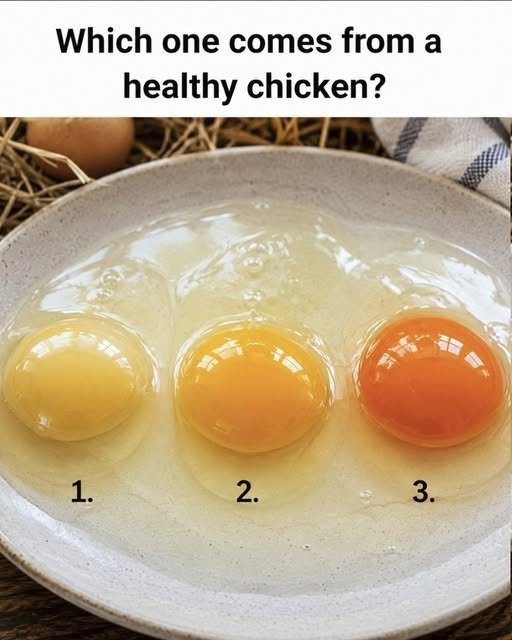
1. Pasture-Raised Eggs
These eggs come from hens that have outdoor access and can forage naturally.
They are often characterized by:
- Dark orange yolks
- Richer flavor
- Higher variability in nutrient content depending on diet
2. Free-Range Eggs
Free-range hens have some outdoor access but are still typically fed grain-based diets.
These eggs usually have:
- Medium yellow yolks
- Balanced nutrition
- Moderate price and quality
3. Conventional or Caged Eggs
These eggs come from hens raised indoors with limited movement and controlled diets.
They typically feature:
- Pale yellow yolks
- More standardized production
- Lower cost
Despite differences in farming conditions, they still provide basic nutritional value.
Does Yolk Color Affect Taste?
Many people report that darker yolks have a richer, creamier taste. This is often linked to the hen’s varied diet rather than the color itself.
Flavor differences can also be influenced by:
- Freshness of the egg
- Cooking method
- Fat content in the yolk
What Labels Don’t Always Tell You
Egg packaging labels such as “organic,” “free-range,” or “farm fresh” can vary depending on regional regulations.
For example:
- “Free-range” does not always guarantee extensive outdoor time
- “Organic” focuses more on feed quality than living conditions
- “Natural” is not always strictly regulated
Understanding these terms helps consumers make more informed choices.
Should You Choose Eggs Based on Yolk Color?
Yolk color can be a helpful visual indicator, but it should not be the only factor when choosing eggs.
A balanced approach includes considering:
- Farming method
- Freshness
- Price and availability
- Personal dietary needs
Final Thoughts
Egg yolk color offers a fascinating glimpse into how chickens are raised and what they eat. While darker yolks are often associated with more varied diets, all eggs can be part of a healthy diet when consumed in moderation.
Instead of focusing only on color, it is more useful to understand the bigger picture behind how eggs are produced.