
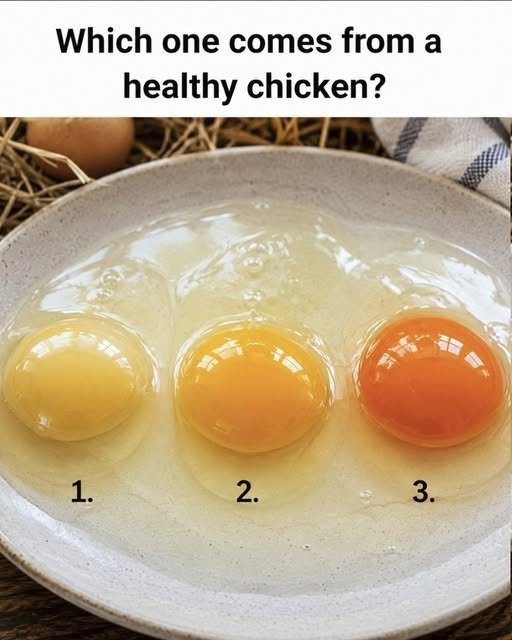
Learn what egg yolk color really means, including differences between pale yellow, golden, and deep orange yolks, and how diet and farming methods affect egg nutrition.
Introduction
Have you ever cracked open an egg and noticed that the yolk was a deep golden orange instead of the usual pale yellow?
Many people are surprised by this difference, but egg yolk color can actually reveal useful information about a hen’s diet, living conditions, and the overall quality of the egg.
While yolk color alone is not the only measure of nutrition, it can provide interesting clues about how the egg was produced.
What Determines Egg Yolk Color?
The color of an egg yolk is mainly influenced by the hen’s diet.
Chickens that eat a varied diet rich in natural foods such as:
- Grass
- Insects
- Flowers
- Seeds
tend to produce darker, more vibrant yolks.
On the other hand, hens fed primarily with grain-based diets often produce lighter yellow yolks.
Dark vs Light Egg Yolks: Is There a Nutritional Difference?
Darker yolks are often associated with a more diverse diet, which may slightly improve the nutritional profile of the egg.
Some studies suggest that eggs from hens with access to pasture may contain:
- Higher levels of omega-3 fatty acids
- More vitamin A
- Increased vitamin E content
However, it is important to note that all eggs remain a good source of protein, healthy fats, and essential nutrients, regardless of yolk color.
Types of Eggs and What They Mean
1. Pasture-Raised Eggs