
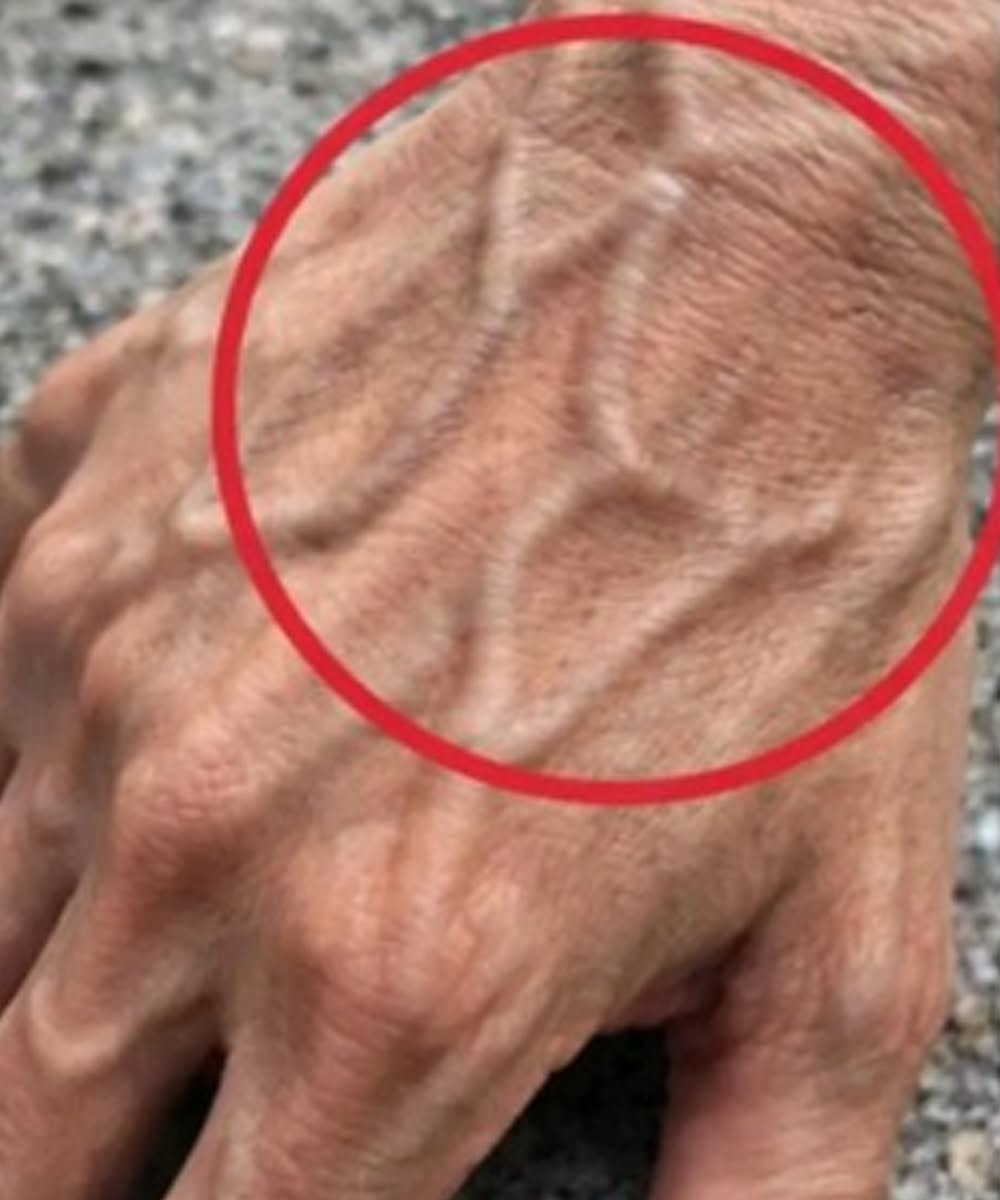
3. Aging and Skin Changes
As people age, the skin naturally becomes thinner and loses elasticity. The layer of fat beneath the skin may also decrease, allowing veins to become more visible.
Visible veins in older adults are often a normal part of the aging process.
4. Genetics
Some people naturally have more prominent veins due to inherited traits. If visible veins run in your family, genetics may be the primary explanation.
5. Hot Weather
Warm temperatures cause blood vessels to expand to help regulate body temperature. This temporary enlargement can make veins easier to see, especially in the hands, arms, and legs.
When Visible Veins May Indicate a Medical Condition
Although visible veins are usually harmless, certain symptoms may suggest an underlying issue.
Varicose Veins
Varicose veins occur when vein valves weaken, allowing blood to pool inside the vessels.
Symptoms may include:
- Bulging veins
- Leg heaviness
- Swelling
- Pain or discomfort
- Skin discoloration
Chronic Venous Insufficiency
This condition develops when blood has difficulty flowing back to the heart, leading to increased pressure in the veins.
Warning signs include:
- Persistent swelling
- Leg fatigue
- Skin changes
- Slow-healing wounds
Blood Clots
In rare cases, sudden vein changes accompanied by pain, redness, warmth, or swelling may require immediate medical evaluation.
How to Improve Vein Health
Maintaining healthy circulation can support overall vein function.
Stay Physically Active
Regular exercise promotes healthy blood flow and cardiovascular health.
Maintain a Healthy Weight
A balanced weight reduces pressure on veins and improves circulation.
Stay Hydrated
Proper hydration supports healthy blood vessels and circulation.
Avoid Sitting for Long Periods
Moving regularly can help prevent blood from pooling in the legs.
When Should You See a Doctor?
You should consider speaking with a healthcare professional if visible veins are accompanied by:
- Significant pain
- Swelling
- Skin discoloration
- Sudden changes in appearance
- Open sores near the veins
- Signs of infection
These symptoms may require medical assessment and treatment.
Frequently Asked Questions
Are Visible Veins a Sign of Good Health?
In many cases, visible veins are completely normal and may simply reflect low body fat, exercise habits, or genetics.
Can Dehydration Make Veins More Visible?
Temporary changes in hydration levels can affect how veins appear, although dehydration is not usually the primary cause.
Do Visible Veins Mean Poor Circulation?
Not necessarily. Many healthy individuals naturally have prominent veins.
Can Exercise Cause Veins to Become More Noticeable?
Yes. Increased blood flow during physical activity can temporarily enlarge veins and make them more visible.
Final Thoughts
Visible veins are often a normal part of human anatomy and are commonly influenced by body composition, age, exercise, genetics, and environmental factors. While most cases are harmless, persistent symptoms such as swelling, pain, or skin changes should be evaluated by a qualified healthcare professional.
Understanding the causes of visible veins can help you make informed decisions about your health while avoiding unnecessary concern.