
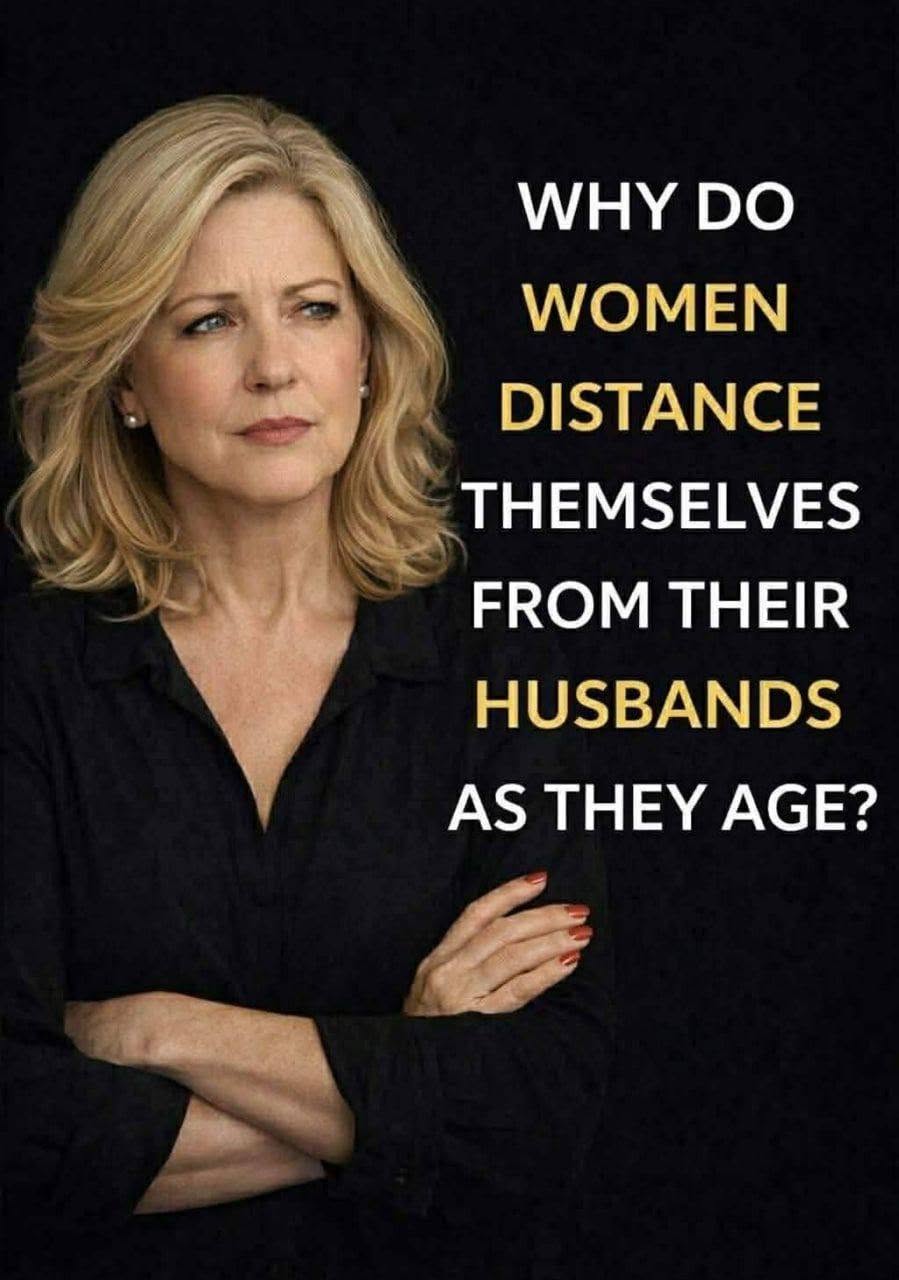
Marriage burnout is emotional fatigue that can affect even strong relationships. Learn its causes, warning signs, and practical steps to rebuild connection and improve communication.
Introduction
Marriage is often seen as a long-term partnership built on love, trust, and shared responsibility. However, even healthy relationships can go through periods of emotional exhaustion.
This experience is sometimes referred to as marriage burnout—a gradual sense of disconnection, stress, and emotional fatigue that builds over time.
Unlike sudden conflict or major relationship problems, burnout develops slowly and can go unnoticed until emotional distance becomes more visible.
Understanding its causes and early signs can help couples address it before it leads to long-term strain.
What Is Marriage Burnout?
Marriage burnout refers to a state of emotional exhaustion within a relationship. It does not necessarily mean that love is gone, but rather that emotional energy and connection have been depleted.
Common experiences may include:
- Feeling emotionally distant
- Reduced affection or intimacy
- Frequent irritability or frustration
- Difficulty communicating openly
- A sense of routine or emotional “numbness”
Common Causes of Marriage Burnout
1. Work Stress and Financial Pressure
External pressures such as demanding jobs, long working hours, and financial responsibilities can significantly affect emotional availability in a relationship.
Over time, couples may find that most conversations revolve around logistics rather than emotional connection.
2. Parenting Responsibilities
Raising children can be deeply fulfilling, but also physically and emotionally exhausting.
Sleep deprivation, constant responsibilities, and shifting priorities may leave little time for relationship nurturing, causing partners to feel more like co-managers than romantic partners.
3. Unrealistic Expectations
Media and social narratives often portray marriage as constantly exciting and effortless.
In reality, long-term relationships require ongoing effort, compromise, and adaptation. When expectations do not match real-life experiences, dissatisfaction may grow.
4. Emotional Disconnection Over Time
Emotional burnout can develop gradually through everyday habits such as:
- Limited quality time together
- Lack of appreciation or acknowledgment
- Avoiding meaningful conversations
- Focusing only on responsibilities
These patterns are often unintentional but can slowly reduce emotional closeness.
5. Lack of Personal Space
Healthy relationships require a balance between togetherness and individuality.
Without time for personal rest, hobbies, or self-care, emotional tension can build and contribute to feelings of burnout.
Signs of Marriage Burnout