
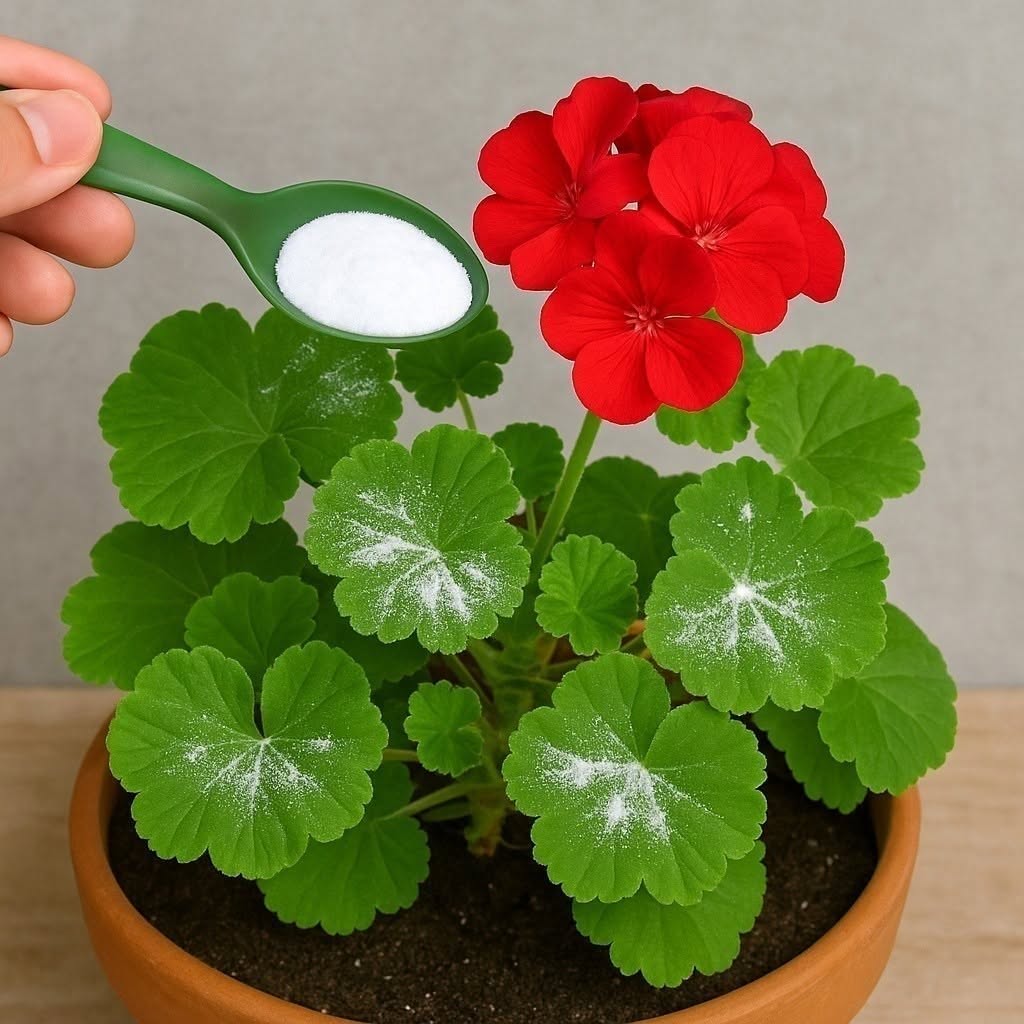
Geraniums—technically pelargoniums—are among the most popular garden and patio plants for a reason. They are hardy, colorful, and capable of producing vibrant blooms for months.
But when geraniums become leggy, weak, or stop flowering, the problem is almost always linked to one thing: incorrect watering habits.
The real secret to healthy, blooming geraniums is not watering more—it’s watering smarter.
The Golden Rule: Deep Watering Followed by Dry Soil
Geraniums originate from the dry, rocky regions of South Africa. Because of this, they are naturally adapted to cycles of drought and deep watering, not constant moisture.
This pattern encourages the plant to:
- Develop stronger roots
- Produce more flowers
- Avoid rot and disease
Instead of keeping soil consistently wet, the goal is to allow it to dry slightly between waterings.
How to Water Geraniums Correctly
1. Stop Following a Fixed Schedule
Never water automatically based on the calendar. Instead, check the soil.
- Insert your finger 1–2 inches into the soil
- If it feels dry, it’s time to water
- For pots, lift the container—light weight means dryness
2. Water Deeply, Not Lightly
When watering, always soak the soil thoroughly until water drains from the bottom.
This encourages:
- Deep root growth
- Stronger stems
- Better drought resistance
Avoid light surface watering—it leads to weak roots and fewer flowers.
3. Water in the Morning
Morning watering is ideal because it:
- Reduces evaporation
- Allows leaves to dry during the day
- Helps prevent fungal diseases
Always water the soil, not the leaves, to avoid moisture-related issues.
4. Adjust Watering by Season
Geraniums do not need the same amount of water year-round.
- Spring & Fall: Every 5–7 days
- Summer (hot weather): Every 2–3 days if soil is dry
- After rain: Skip watering completely
The Danger of Overwatering
Overwatering is the most common reason geraniums fail to bloom.
Warning signs include:
- Yellowing leaves
- Soft or mushy stems
- Few or no flowers
- Root rot
Once root rot develops, recovery can be difficult.
Pro Gardening Tip: Use Terracotta Pots