
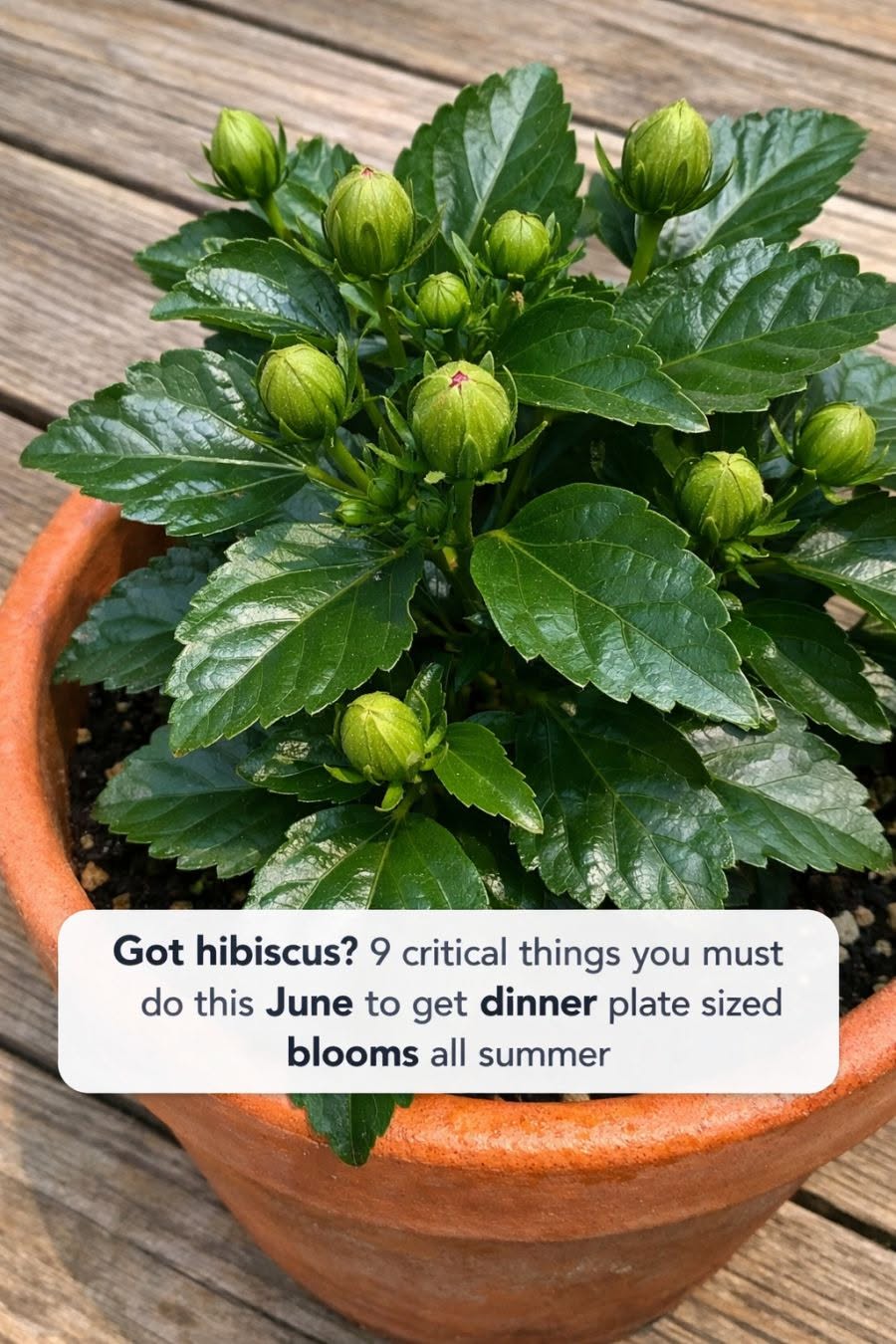
Want Bigger Hibiscus Blooms This Summer?
June is one of the most important months for hibiscus care. As temperatures rise and growing conditions become ideal, the steps you take now can determine whether your plants produce ordinary flowers or spectacular dinner-plate-sized blooms throughout the season.
Known for their vibrant colors and tropical beauty, hibiscus plants thrive when given the right combination of sunlight, nutrients, water, and maintenance. By following these nine essential gardening tips, you can encourage healthier plants, stronger growth, and continuous flowering from early summer through fall.
1. Prune Strategically to Encourage Larger Flowers
One of the best ways to improve flower production is through proper pruning. Remove dead, damaged, or overcrowded branches to improve airflow and allow more sunlight to reach the center of the plant.
Cut back older woody stems by about one-third to stimulate fresh growth. New growth often produces the largest and most vibrant blooms, making June the perfect time for a careful pruning session.
Benefits of June Pruning
- Encourages new flower buds
- Improves air circulation
- Reduces disease risk
- Promotes larger blooms
2. Improve Soil Health with Organic Matter
Healthy soil is the foundation of successful hibiscus gardening. Add compost, aged manure, or other organic materials around the root zone to improve soil fertility and moisture retention.
Organic matter not only feeds the plant but also enhances soil structure, allowing roots to grow stronger and absorb nutrients more efficiently.
Recommended Soil Additions
- Compost
- Well-aged manure
- Organic garden compost
- Worm castings
3. Provide the Right Balance of Sunlight
Hibiscus plants love sunshine and generally perform best with six to eight hours of direct sunlight daily. However, extremely hot afternoon temperatures can stress plants in warmer regions.
If your area experiences intense summer heat, consider providing light afternoon shade to prevent leaf scorch and flower damage.
Signs of Too Much Sun
- Wilted leaves
- Brown leaf edges
- Faded flowers
4. Water Deeply for Stronger Roots and Bigger Blooms
Deep watering encourages roots to grow downward, creating stronger and more drought-resistant plants.
Instead of frequent shallow watering, provide a thorough soaking once or twice per week depending on weather conditions and soil type.
Best Watering Practices
- Water early in the morning
- Focus on the root zone
- Allow soil to dry slightly between watering sessions
- Avoid waterlogged soil
5. Use a Bloom-Boosting Fertilizer Schedule
To maximize flower production, hibiscus plants require regular feeding during the growing season.
Choose a fertilizer designed for flowering plants, especially one with higher potassium levels. Potassium supports bud formation and encourages larger, longer-lasting blooms.
Fertilizing Tips
- Feed every two weeks during active growth
- Follow label instructions carefully
- Avoid excessive nitrogen, which promotes leaves over flowers
6. Apply Mulch to Protect Roots