
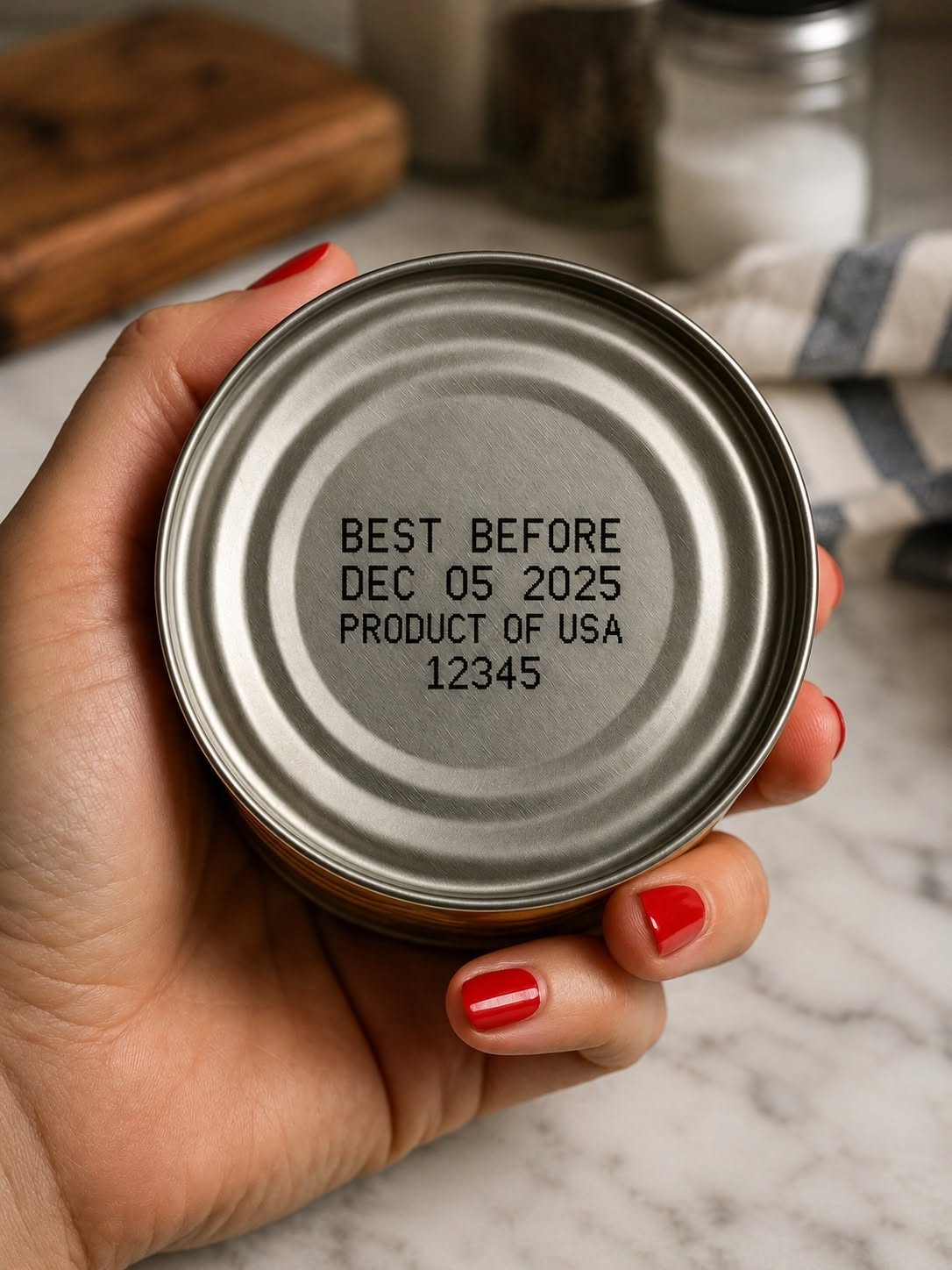
If you’ve ever thrown away canned food, cereal, or pasta just because the date on the package passed, you’re not alone. Many people assume these labels mean food is instantly unsafe after a certain day.
But the truth is very different—and understanding it can help you save money, reduce food waste, and shop smarter.
“Best By” Dates Are NOT Expiration Dates
One of the biggest misconceptions about food labeling is that “Best By” or “Best Before” dates indicate when food becomes unsafe.
In reality, these dates are about quality, not safety.
A product past its “Best Before” date is usually still safe to eat—it may just not taste as fresh or maintain its original texture.
For example:
- Rice labeled “Best Before March 2024” in April is often still perfectly fine
- Canned beans or vegetables can last years beyond their printed date if stored properly
What the Different Food Date Labels Actually Mean
🟡 Best By / Best Before
This refers to peak quality, not safety. After this date, food may:
- Lose flavor
- Change texture
- Look slightly less fresh
But it is often still safe to consume if properly stored.
🟠 Sell By
This date is mainly for retailers, not consumers.
It tells stores how long to display the product on shelves. It does not indicate food safety at home.
🔴 Use By
This label is slightly more strict and refers to peak quality.
However, the only time it is legally tied to safety is for infant formula. For most other foods, it still mainly reflects freshness, not danger.
Why Food Is Often Safe After the Date
Many foods—especially:
- Canned goods
- Dry pasta and rice
- Frozen foods
- Cereals and crackers
are designed to last long beyond their printed dates when stored correctly.
In fact, food safety experts, including the USDA, state that properly stored food can often remain safe after its “Best By” date.
When You SHOULD Be Careful