Okra—slimy, vibrant, and undeniably humble—has earned a loyal following. Praised for its fiber-rich pods, blood-sugar-balancing mucilage, and impressive roster of nutrients (vitamin C, K, folate, antioxidants), it’s a staple in Southern, Indian, West African, and Caribbean kitchens—and increasingly, in wellness circles.
But here’s what few headlines mention: for some people, okra’s virtues come with caveats.
While it can support digestive health and metabolic balance, emerging clinical insights reveal that its very strengths—its soluble fiber, oxalates, and bioactive compounds—may trigger unintended reactions in sensitive individuals. This isn’t about fear-mongering. It’s about precision: knowing when okra serves you—and when it might quietly work against you.
 Okra’s Strengths—And Why They Backfire for Some
|
Benefit
|
How It Helps
|
Who Might React
|
|---|---|---|
|
Soluble fiber (mucilage)
|
Slows glucose absorption, feeds gut bacteria, softens stool
|
Those with IBS (especially diarrhea-predominant), SIBO, or fructose malabsorption may experience bloating, gas, or urgency
|
|
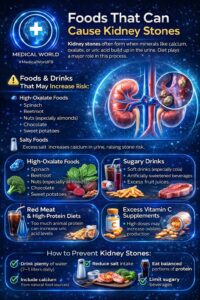
High oxalate content
|
Natural plant compound—no direct benefit, but unavoidable
|
Individuals prone to calcium-oxalate kidney stones (oxalates bind calcium in kidneys, forming crystals)
|
|
Vitamin K abundance
|
Supports blood clotting and bone health
|
People on blood thinners (like warfarin)—sudden increases in K can interfere with medication stability
|
|
FODMAPs (fructans)
|
Prebiotic fuel for good bacteria
|
Those with FODMAP sensitivity may experience cramping, distension, or altered motility
|
Note: Cooking doesn’t eliminate oxalates or FODMAPs—though steaming reduces soluble fiber’s viscosity more than frying or stewing.
 3 Underdiscussed Reactions Clinicians Are Seeing
- The “Healthy” Constipation Paradox
While okra’s fiber often relieves constipation, its mucilage can have the opposite effect in dehydrated individuals or those with sluggish motility—forming a gel-like mass that slows transit further. - Mineral Interference
Okra contains phytates and oxalates, which bind iron, calcium, and zinc in the gut. For those with marginal nutrient status (e.g., vegetarians, post-bariatric patients), daily okra may subtly worsen deficiencies over time. - Medication Interactions Beyond Warfarin
Preliminary research suggests okra’s polysaccharides may reduce absorption of metformin (a common diabetes drug) when eaten simultaneously—potentially blunting its effect. Spacing intake by 2+ hours mitigates this.