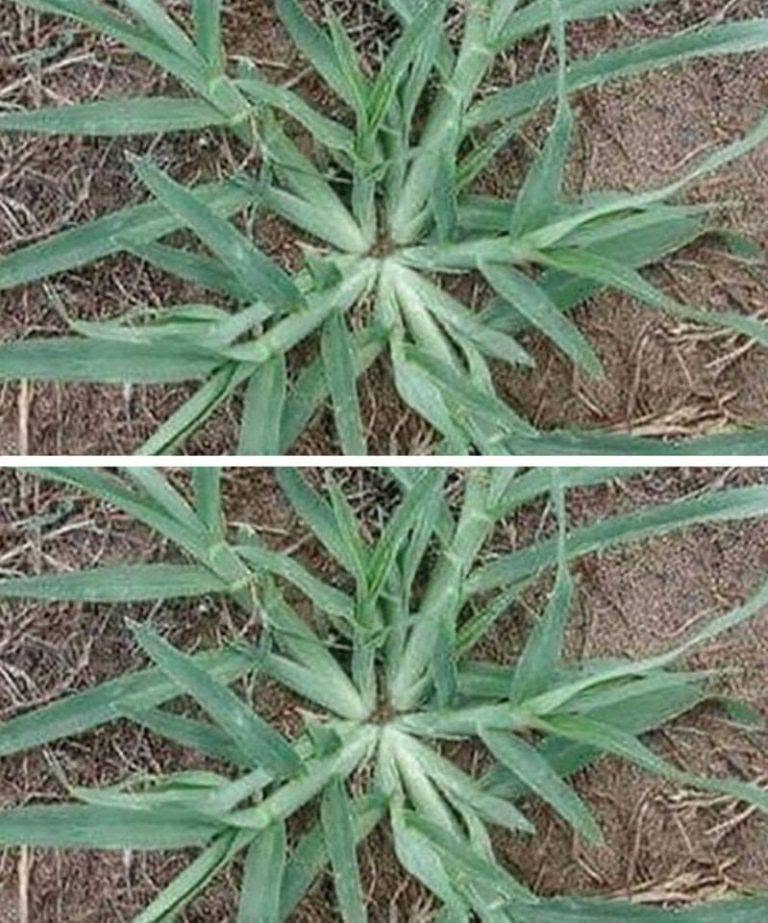
Learn about purslane, a nutrient-rich wild plant often found in gardens and fields. Discover its health benefits, nutritional value, and traditional uses in natural medicine.
Introduction
Plants often grow naturally in unexpected places, and many of them have a significant impact on human health and nutrition. One of these plants is purslane, a common wild herb that grows in gardens, fields, and even cracks in sidewalks.
Known by several names such as “cat’s tongue” and “ephemeral plant,” purslane is often overlooked as a simple weed. However, it is actually a highly nutritious edible plant used in traditional diets and natural remedies around the world.
What Is Purslane?
Purslane (Portulaca oleracea) is a leafy green plant that grows mainly in spring and summer. It is easily recognized by its thick, juicy, and fleshy leaves.
Despite being considered a weed in many regions, purslane is actually an edible plant rich in nutrients and bioactive compounds.
Nutritional Value of Purslane
Purslane is known for its impressive nutritional profile. It contains:
- Dietary fiber
- Omega-3 fatty acids
- Vitamins A, C, and E
- Minerals such as magnesium, potassium, and calcium
These nutrients make purslane one of the most nutrient-dense wild plants commonly found in nature.
Potential Health Benefits
1. Supports Digestive Health
Thanks to its fiber content, purslane may help support healthy digestion and promote regular bowel movements.
2. Rich in Antioxidants
Purslane contains antioxidants that help protect the body from oxidative stress and support overall wellness.
3. May Support Heart Health
The presence of omega-3 fatty acids may contribute to cardiovascular health when included as part of a balanced diet.
4. Hydrating Properties
Because of its high water content, purslane can help support hydration, especially during warmer seasons.
Traditional Uses of Purslane